

This article explains how businesses should move from traditional SEO to Artificial Intelligence Optimization (AEO). You’ll get clear guidance on how AEO works, what tools to use, and practical best practices to improve search visibility and user engagement. Expect step-by-step advice, realistic outcomes, and a look at how affiliate marketing fits into an AI-driven search strategy.
Recent research supports AI’s strong influence on modern SEO practices.
AI’s Impact on SEO: Revolutionizing Online Visibility & Engagement
AI has reshaped SEO through advanced algorithms and machine learning. These tools speed up keyword research, improve content optimization, and surface trends more efficiently. They also enable personalized content that better matches individual user preferences, which can boost traffic and conversions
Optimizing SEO with AI: Achieving Success Through Responsible Innovation, S Paul, 2024
Strategies for AEO
Moving to AEO requires targeted tactics that use AI to lift search performance. Focus on technical health, AI-structured content, and building authority. Together these reduce friction for users and make your content more relevant and personalized.
- Technical Optimization: Ensuring that your website is technically sound is crucial for AEO. This includes optimizing site speed, mobile responsiveness, and structured data implementation, which helps search engines understand your content better.
- AI-Structured Content: Creating content that is optimized for AI algorithms involves using natural language processing and semantic search techniques. This means focusing on user intent and providing comprehensive answers to queries.
- Authority Distribution: Building authority through backlinks and high-quality content is essential. Engaging with reputable sources and ensuring your content is cited can significantly boost your visibility in AI-driven search results.
Easy Solution 4 You provides practical resources and step-by-step guidance to help businesses adopt these AEO strategies without unnecessary complexity.
Tools for AEO
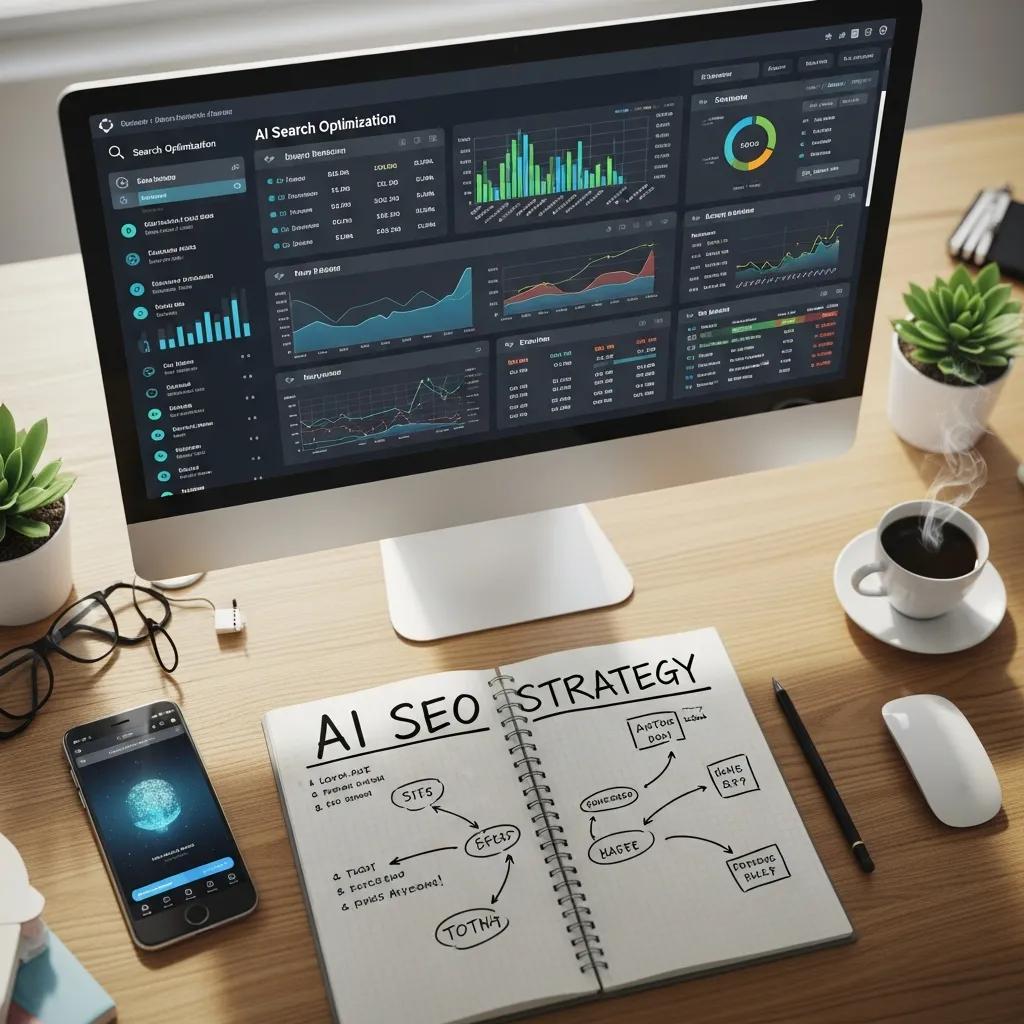
Successful AEO relies on a set of tools for content, tracking, and technical fixes. Choose solutions that map to specific tasks: create content, measure outcomes, and fix site issues.
- Content Management Systems (CMS): Platforms like WordPress and HubSpot provide features that support SEO and AEO, allowing for easy integration of structured data and optimization tools.
- SEO Tools: Tools such as SEMrush and Ahrefs offer insights into keyword performance and competitor analysis, which are vital for refining AEO strategies.
- AI Content Generators: Solutions like Jasper and Copy.ai can assist in creating AI-optimized content that resonates with user intent and enhances engagement.
Combining these tools streamlines the AEO workflow and reduces the manual effort needed to adapt to evolving search signals.
| Tool | Feature | Application |
| SEMrush | Keyword tracking | Optimize content for relevant searches |
| Ahrefs | Backlink analysis | Improve authority and visibility |
| Jasper | AI content generation | Create engaging, optimized content |
The table shows how each tool supports a specific AEO task so you can match tools to your priorities.
Best Practices
Apply user-first practices when using AI: design for intent, keep content accurate, and measure outcomes. These habits help AEO deliver steady, long-term results.
- Focus on Local Market Signals: Understanding local search trends and optimizing for local SEO can significantly enhance visibility in specific markets.
- Maintain Consistent Branding: A cohesive brand presence across all platforms helps build trust and recognition, which are crucial for user engagement.
- Regularly Publish High-Authority Articles: Consistent content creation that provides value to users can establish authority and improve search rankings.
Follow these practices to position your business effectively within the AEO landscape.
What Is AEO and How Does It Differ from Traditional SEO?
AEO, or Artificial Intelligence Optimization, uses AI and machine learning to improve search visibility. Unlike traditional SEO, which focuses on keywords and backlinks, AEO prioritizes user intent and delivering personalized answers that match what people actually want.
Research shows AI is reshaping SEO into a more precise, user-centered practice.
AI’s Revolutionary Role in SEO: Shaping Future Search Strategies
Recent studies highlight how generative AI and natural language processing are changing SEO. These techniques help search engines understand context and intent, enabling more accurate, personalized results. Marketers use AI for automated keyword research, content optimization, and backlink analysis, which increases efficiency and precision in SEO work.
Artificial intelligence’s revolutionary role in search engine optimization, C Ziakis, 2023
The key differences between AEO and traditional SEO include:
- User Intent Focus: AEO prioritizes understanding what users are looking for, rather than just matching keywords.
- AI Integration: AEO leverages AI tools to analyze data and optimize content dynamically.
- Personalization: AEO aims to deliver tailored content experiences based on user behavior and preferences.
Recognizing these differences helps you target effort where it delivers the most value.
Why Is Transitioning from SEO to AEO Critical for Business Growth?
Adopting AEO keeps your site visible and relevant as search behavior changes. Voice search and AI recommendations mean content must match intent and deliver personalised value to retain users.
- Impact on Visibility: AEO enhances visibility by aligning content with user intent, ensuring that businesses appear in relevant search results.
- User Engagement: By providing personalized content experiences, businesses can improve user engagement and retention.
- Competitive Advantage: Adopting AEO strategies early can give businesses a significant edge over competitors who are slow to adapt.
Evidence shows leveraging AI in SEO can deliver a measurable competitive advantage and improve market presence.
AI-Powered SEO for Enhanced Market Competitiveness & Visibility
Research in e-commerce contexts finds that AI technologies—like machine learning, NLP, automation and predictive analytics—improve visibility, personalization and customer engagement across the digital funnel. These capabilities help firms respond faster to market signals and optimize marketing workflows more effectively.
Enhancing market competitiveness through AI-powered SEO and digital marketing strategies in e-commerce, R Hasan, 2025
The shift to AEO is a necessary step for businesses that want to thrive in modern search marketing.
Impact of AI and Voice Search on User Intent and Search Experience
AI and voice search have changed how people search. Queries are more conversational and systems aim to return exact answers, so content needs to match that style.
- Shift in User Search Behavior: Voice search queries tend to be more conversational and longer than traditional text searches, requiring businesses to adapt their content strategies accordingly.
- Trust in AI Recommendations: Users are increasingly relying on AI-driven recommendations, making it essential for businesses to ensure their content is optimized for these systems.
- Importance of Optimizing for Voice Search: Businesses must focus on natural language processing and semantic search techniques to capture voice search traffic effectively.
Adapting content for conversational queries and AI recommendations helps you capture more relevant traffic.
Recent Trends and Statistics Highlighting AEO Adoption in 2026
In 2026, adoption of AEO is accelerating. Research points to more AI-influenced queries and better performance for businesses that implement AEO practices.
- Growth of AI-Driven Search Queries: Studies show that a significant portion of searches are now influenced by AI technologies, highlighting the need for businesses to adapt.
- Impact on Digital Marketing Strategies: Companies that integrate AEO into their marketing strategies report higher engagement rates and improved conversion metrics.
- Statistics on AEO Adoption: Recent surveys indicate that a substantial percentage of businesses plan to invest in AEO tools and strategies within the next year.
These trends make AEO a core component of modern digital marketing plans.
How Can Businesses Implement Effective AI Search Optimization Strategies?
Implement AEO with a clear process: fix technical issues, create AI-structured content, and monitor visibility. Each step should link to measurable goals.
- Technical Optimization Steps: Ensure your website is technically sound by optimizing loading speeds, mobile responsiveness, and implementing structured data.
- Creating AI-Structured Content: Focus on producing content that aligns with user intent and utilizes natural language processing techniques.
- Monitoring AI Visibility: Regularly track performance metrics to assess the effectiveness of your AEO strategies and make necessary adjustments.
Follow these steps to implement AEO strategies that produce measurable results.
Step-by-Step Guide to Transitioning from SEO to AEO
A structured approach reduces risk. Start by assessing current SEO, invest in the right tools, and train your team to work with AI-led processes.
- Assess Current SEO Strategies: Evaluate existing SEO practices to identify areas for improvement and integration of AEO principles.
- Invest in AEO Tools: Utilize tools that support AI-driven optimization, such as content management systems and SEO analytics platforms.
- Train Your Team: Ensure that your team is equipped with the knowledge and skills necessary to implement AEO strategies effectively.
Use this guide to move through the transition with clear steps and measurable checkpoints.
Tools and Technologies Supporting AI-Driven Search Optimization
AEO works best when supported by analytics, content and SEO tooling. Pick technologies that give clear signals you can act on.
- AI-Powered Analytics Tools: Platforms like Google Analytics and Moz provide insights into user behavior and content performance, helping businesses refine their AEO strategies.
- Content Creation Tools: AI-driven content generators can assist in producing optimized content that resonates with user intent.
- SEO Optimization Tools: Tools such as Yoast SEO and Screaming Frog can help ensure that websites are optimized for both traditional SEO and AEO.
Leveraging these tools improves your ability to meet the demands of AI-driven search and respond to data quickly.
What Role Does Affiliate Marketing Play in the AEO Era?
Affiliate marketing adds channels for visibility and targeted traffic. To remain effective, affiliate content must align with user intent and deliver genuine value.
- Importance of Affiliate Marketing in AEO: Affiliate marketing can enhance brand visibility and drive traffic through targeted campaigns that align with user interests.
- Strategies for Integrating Affiliate Marketing: Businesses should focus on creating high-quality content that incorporates affiliate links naturally, ensuring relevance to the audience.
- Case Studies of Successful Implementations: Examples of businesses that have successfully integrated affiliate marketing into their AEO strategies can provide valuable insights and inspiration.
Use affiliate partnerships to extend reach, but keep content relevant and user-focused to match AEO expectations.
Best Practices for Affiliate Marketing Automation in AEO
Automate routine tasks, measure outcomes, and update campaigns as AI signals change. Automation should free time for optimization, not replace strategy.
- Automation Tools and Strategies: Utilize automation tools to manage affiliate campaigns efficiently, allowing for real-time adjustments based on performance data.
- Measuring Success in Affiliate Marketing: Establish clear metrics to evaluate the effectiveness of affiliate marketing efforts, ensuring alignment with overall business goals.
- Adapting to Changes in AI: Stay informed about advancements in AI technologies and adjust affiliate marketing strategies accordingly to maintain relevance.
Apply these practices to automate affiliate workflows while keeping performance and relevance under regular review.
Which Case Studies Illustrate Successful SEO to AEO Transitions?
Case studies show which tactics work in practice. They highlight tool choices, content approaches, and measurable outcomes you can replicate.
- Example of Successful Transitions: Company X implemented AI-driven content strategies that resulted in a significant increase in organic traffic within a short timeframe.
- Lessons Learned from These Cases: Key takeaways include the importance of understanding user intent and leveraging AI tools for optimization.
- Impact on Business Growth: Businesses that have embraced AEO report improved engagement metrics and higher conversion rates, demonstrating the effectiveness of these strategies.
Use these examples as a practical roadmap when planning your own transition.
How Can Businesses Monitor and Update Their AEO Strategies Effectively?
Ongoing monitoring keeps AEO effective. Set routines to track metrics, use analytics, and schedule regular reviews to update strategies.
- Key Metrics to Track: Regularly monitor performance metrics such as organic traffic, engagement rates, and conversion rates to assess the effectiveness of AEO strategies.
- Tools for Monitoring AEO Performance: Utilize analytics tools to gain insights into user behavior and content performance, allowing for data-driven adjustments.
- Best Practices for Updates: Establish a routine for reviewing and updating AEO strategies based on performance data and emerging trends in AI and search.
These practices help you keep AEO tactics aligned with performance goals and market changes.
Using Structured Data and Semantic SEO for Enhanced Visibility
Structured data and semantic SEO help search systems understand context. Implement them to improve indexing and match user intent more reliably.
- Importance of Structured Data: Structured data helps search engines understand the context of content, improving indexing and visibility.
- How Semantic SEO Enhances Visibility: Semantic SEO focuses on user intent and context, ensuring that content aligns with what users are searching for.
- Examples of Effective Implementation: Businesses that have successfully implemented structured data report improved search rankings and increased organic traffic.
Using structured data and semantic approaches increases your chances of appearing for relevant queries in AI-driven results.
Tools and KPIs for Tracking AEO Performance and Trends
Track AEO with a mix of tools and KPIs. Use analytics platforms and SEO tools to measure traffic, engagement and conversions.
- Overview of Tracking Tools: Tools such as Google Analytics and SEMrush offer comprehensive insights into user behavior and content performance.
- Key Performance Indicators for AEO: Important KPIs to monitor include organic traffic, engagement rates, and conversion rates, which can help assess the effectiveness of AEO strategies.
- Best Practices for Performance Monitoring: Establish a routine for reviewing performance data and making necessary adjustments to AEO strategies based on insights gained.
Using these tools and KPIs lets you measure progress and make informed adjustments to your AEO strategy.
To further explore how Easy Solution 4 You can assist with your AEO transition, consider reaching out for personalized guidance.
Frequently Asked Questions
What are the key differences between SEO and AEO?
They differ mainly in focus and method. SEO centres on keywords and backlinks; AEO centres on user intent and personalised content. AEO uses AI to analyse data and adapt content dynamically for more relevant results.
How can businesses measure the success of their AEO strategies?
Track KPIs such as organic traffic, engagement rates, and conversion rates. Use analytics tools like Google Analytics, review metrics on a regular schedule, and adjust tactics based on the data.
What role does user intent play in AEO?
User intent is the foundation of AEO. Analyse queries and behavior to design content that answers real user needs, which improves engagement and search relevance.
What are some common challenges businesses face when transitioning to AEO?
Common challenges include technical AI expertise, integrating new tools into workflows, and keeping content aligned with intent. Address these by investing in training, choosing the right tools, and maintaining a user-centred process.
How can businesses optimize their content for voice search?
Focus on conversational phrasing, natural language keywords, and clear question-and-answer formats. Add structured data so search systems understand context and can surface your content for voice queries.
What tools are essential for implementing AEO strategies?
Key tools include CMS platforms like WordPress or HubSpot, SEO suites such as SEMrush and Ahrefs, and AI content generators like Jasper or Copy.ai. Use each tool for its strength: content, analysis, or optimization.
How does affiliate marketing integrate with AEO strategies?
Affiliate marketing complements AEO by driving targeted traffic and visibility. Create high-quality, relevant content that naturally includes affiliate links so campaigns align with user intent and boost conversions.
Conclusion
Moving from SEO to AEO helps you deliver more relevant, personalised search experiences. Implement AI responsibly, focus on user intent, and measure outcomes to drive sustained growth. If you want tailored help, reach out for practical guidance on implementing AEO strategies. For more information or to get in touch, visit the contact page.